

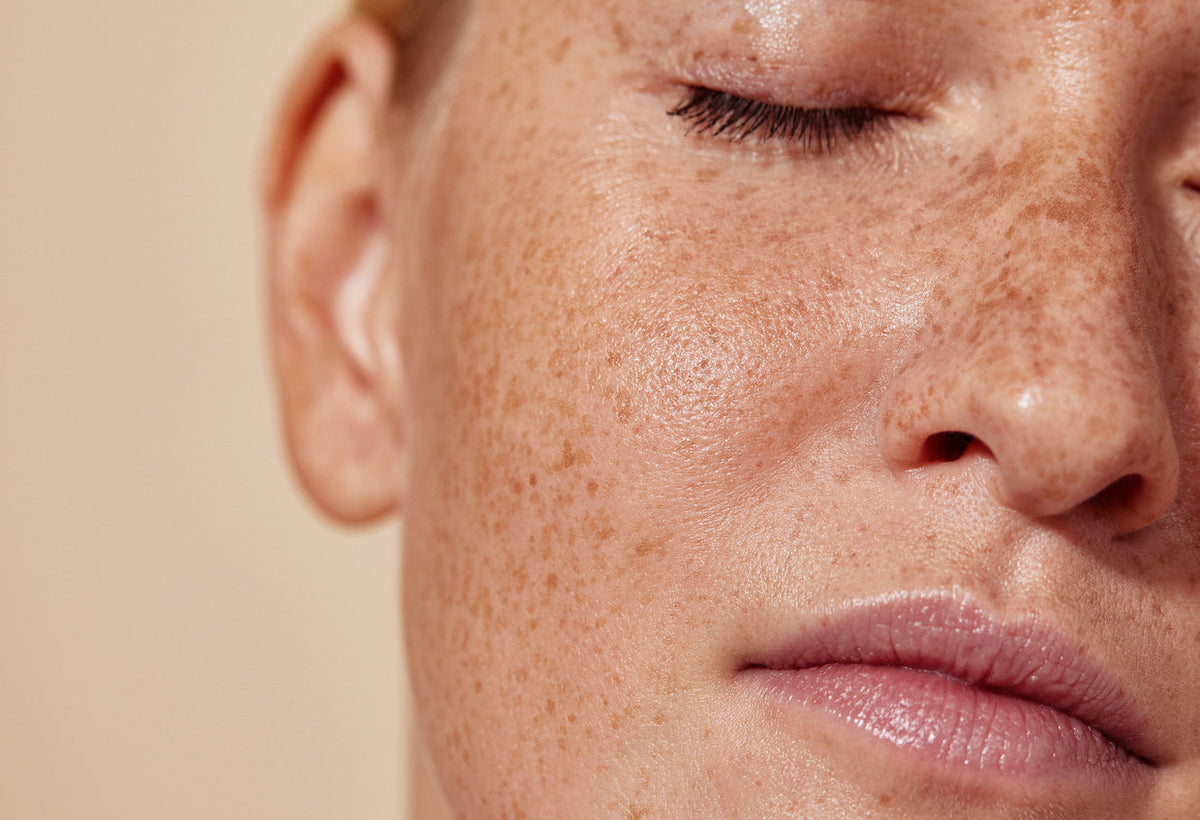
Understanding skin pigmentation: causes, prevention, & treatment
Dark spots, uneven skin tone, and patches of discoloration may appear after a breakout, develop after years of sun exposure, or emerge during hormonal changes. Changes in pigmentation can be frustrating to manage, but the good news is that there are several skincare ingredients and professional treatments that can help improve the appearance of discoloration. The first step is understanding what causes your pigmentation, since different types may respond to different treatments. With consistent sun protection, a solid skincare routine, and guidance from a dermatology provider when needed, you can work toward a more even-looking complexion.
What is hyperpigmentation?
Melanin is the natural pigment that gives your skin, hair, and eyes their color. When the skin produces excess melanin in certain areas, those areas may appear darker than the surrounding skin. This is known as hyperpigmentation.
Hyperpigmentation can appear as small, flat brown spots, larger patches of discoloration, or dark marks left behind after acne and irritation. Common types include:
-
Sun spots: Also called solar lentigines, these flat brown spots develop after cumulative exposure to ultraviolet (UV) radiation.
-
Post-inflammatory hyperpigmentation (PIH): These dark marks appear after inflammation or skin injury, including acne breakouts, eczema flares, or irritation.
-
Melasma: This condition causes brown or gray-brown patches, often on the cheeks, forehead, upper lip, or chin. Hormonal changes and sun exposure are common triggers.
-
Age-related discoloration: Years of cumulative sun exposure can contribute to uneven skin tone and visible brown spots as skin ages.
Because these conditions have different causes, they may require different approaches to treatment. A dermatologist can help identify the type of pigmentation you're experiencing and recommend appropriate options.
What causes dark spots?
Several factors can contribute to hyperpigmentation, and more than one may be involved.
Sun and UV exposure
Sun exposure is a major contributor to many forms of pigmentation. When UV radiation reaches the skin, it stimulates melanin production as part of the skin's natural response. Repeated exposure can lead to new sun spots, make existing discoloration more noticeable, and worsen conditions such as melasma. Even when you're treating existing dark spots, ongoing UV exposure can contribute to new discoloration and make results harder to maintain.
Hormonal changes
Hormonal fluctuations can trigger melasma in people who are susceptible to it. Pregnancy, hormonal birth control, and other hormonal changes may contribute to its development. Sunlight and visible light can also worsen melasma, making daily photoprotection especially important.
Acne, inflammation, and skin injury
When the skin becomes inflamed, it may produce excess melanin during the healing process. This can leave behind dark marks known as post-inflammatory hyperpigmentation. These marks may persist after a pimple or other source of irritation has resolved, particularly in skin that is more prone to pigmentation.
Aging and cumulative sun exposure
Pigmentation can become more noticeable over time as the effects of repeated sun exposure accumulate. Sun spots may develop gradually, even if you don't remember a specific sunburn or period of intense exposure.
Skin irritation
Over-exfoliating, combining too many active ingredients, or using products that irritate your skin can trigger inflammation. In some people, especially those prone to post-inflammatory hyperpigmentation, this irritation can lead to additional discoloration. A gentle, consistent routine is often more helpful than an aggressive approach.
Preventing dark spots & hyperpigmentation
Fading existing dark spots is only one part of managing hyperpigmentation. Preventing additional discoloration helps protect your progress. Start with these habits:
-
Wear broad-spectrum SPF 30 or higher every day. Apply sunscreen to exposed skin, even on cloudy days.
-
Reapply sunscreen outdoors. Reapply at least every two hours when spending time outside, and after swimming or sweating.
-
Limit prolonged sun exposure. Seek shade when possible and wear a wide-brimmed hat and protective clothing.
-
Avoid unnecessary irritation. Introduce active ingredients gradually and reduce the frequency of products that cause persistent stinging, redness, or peeling.
-
Keep your routine consistent. Regular use of appropriate skincare products can help support gradual improvements.
For daily sun protection, SkinCeuticals Future Mineral UV Defense is a mineral sunscreen option to consider. Choose a sunscreen that suits your skin and that you'll use consistently; no brightening product can fully compensate for inadequate sun protection.
Skincare ingredients that can help improve pigmentation
The right skincare ingredients can help reduce the appearance of discoloration, support skin renewal, and improve overall tone. Keep in mind that results take time, and using several strong actives at once may cause irritation rather than faster improvement.
Tranexamic acid, kojic acid, and niacinamide
These ingredients work through different mechanisms to help improve the appearance of uneven pigmentation. Tranexamic acid can help address pathways involved in discoloration, kojic acid helps reduce melanin production, and niacinamide can help limit the transfer of pigment within the skin.
SkinCeuticals Discoloration Defense is a targeted option for people concerned about stubborn brown patches, dark spots, and post-acne marks. Its formula combines tranexamic acid, kojic acid, niacinamide, and HEPES, an ingredient used to support exfoliation. This combination targets multiple factors involved in the appearance of discoloration.
For those looking to add a dedicated pigmentation serum to their routine, SkinCeuticals Discoloration Defense is one option to discuss with a skincare professional.
Vitamin C
Vitamin C is an antioxidant that helps protect skin against oxidative stress caused by environmental exposure. It can also help improve the appearance of uneven tone and discoloration. Formulas vary, so the best choice depends on your skin type and concerns.
Two of our top options include:
-
SkinCeuticals Phloretin CF: Combines vitamin C, phloretin, and ferulic acid. It may be a good option for normal-to-oily skin concerned with discoloration and uneven tone.
-
SkinCeuticals C E Ferulic: Combines vitamins C and E with ferulic acid to provide antioxidant protection and help brighten the appearance of skin.
Vitamin C products are generally used in the morning before moisturizer and sunscreen, following the product's directions.
Alpha arbutin and azelaic acid
Alpha arbutin helps address the appearance of excess pigmentation, while azelaic acid can help with discoloration and inflammation. Azelaic acid may be particularly useful for people experiencing both blemishes and post-acne marks.
SkinCeuticals Phyto A+ Brightening Treatment combines alpha arbutin and azelaic acid in a lightweight formula designed to improve the appearance of discoloration, uneven texture, and redness. It may be worth considering if you're managing multiple concerns at once.
Retinoids and exfoliating acids
Retinoids support skin cell turnover and can help improve the appearance of uneven tone and post-acne marks over time. Exfoliating acids, such as glycolic and lactic acid, help remove dead skin cells from the skin's surface and may improve dullness and uneven texture.
However, stronger or more frequent use doesn't necessarily produce better results. Retinoids and exfoliating acids can irritate the skin, potentially worsening pigmentation in susceptible individuals. Introduce them gradually, avoid layering too many irritating products, and consult a dermatologist if you're unsure which ingredients are appropriate for you.
What professional treatments can help with hyperpigmentation?
Skincare can make a meaningful difference, but topical products aren't always enough to address stubborn pigmentation, melasma, or sun spots. A dermatology provider can evaluate your skin and determine whether an in-office treatment may help.
Depending on the type of discoloration and your skin's needs, treatment options may include:
-
Chemical peels: These treatments use chemical exfoliants to remove damaged outer layers of skin and improve the appearance of uneven tone.
-
Laser treatments: Certain lasers target pigment in the skin to help improve the appearance of dark spots.
-
Intense pulsed light (IPL): IPL uses broad-spectrum light to target concerns such as sun spots and uneven pigmentation. It may be appropriate for some patients, but it isn't suitable for every skin type or pigmentation concern.
Pigmentation treatment should always be individualized. Some procedures can worsen discoloration, particularly when the wrong treatment is selected or the skin isn't properly prepared. This is especially important for people prone to post-inflammatory hyperpigmentation and those with melasma. When you visit a board-certified dermatology provider, personalized treatment is guaranteed.
Dealing with stubborn pigmentation? Talk with a dermatology professional about the treatment options that may be right for your skin.
Why can pigmentation be difficult to treat?
Hyperpigmentation often develops gradually, so fading it usually takes time. Even with a consistent skincare routine, visible improvements may take several weeks or months, depending on the type and severity of discoloration. Several factors can affect your results:
-
Consistency. Skipping treatments or frequently switching products can make it harder to evaluate progress.
-
Sun exposure. UV exposure can stimulate additional pigment production, making sunscreen essential throughout treatment.
-
Chronic conditions. Melasma, in particular, can return even after improvement and may require ongoing maintenance.
-
Irritation. Using too many active ingredients or exfoliating too aggressively may trigger inflammation and additional dark marks.
-
Root cause. A product that helps fade post-acne marks may not be sufficient for melasma or sun spots.
If your pigmentation isn't improving despite consistent sun protection and appropriate skincare, a dermatologist can help reassess the cause and recommend next steps.
How to build a skincare routine for pigmentation
A pigmentation-focused routine doesn't need to be complicated. Start with a few well-tolerated products and introduce new ingredients gradually.
Morning routine
-
Cleanse: Use a gentle cleanser to remove oil and impurities without stripping your skin.
-
Apply an antioxidant or brightening serum: Consider a vitamin C product, such as SkinCeuticals Phloretin CF or SkinCeuticals C E Ferulic, to support antioxidant protection and improve the appearance of uneven tone.
-
Moisturize: Apply a moisturizer suited to your skin type to help maintain your skin barrier.
-
Protect: Finish with broad-spectrum SPF 30 or higher. SkinCeuticals Future Mineral UV Defense is one mineral sunscreen option.
Evening routine
-
Cleanse: Remove sunscreen, makeup, and daily buildup.
-
Apply a targeted treatment: Consider a product such as SkinCeuticals Discoloration Defense or SkinCeuticals Phyto A+ Brightening Treatment, depending on your concerns and skin's tolerance.
-
Use a retinoid, if appropriate: A retinoid may help improve uneven tone and post-acne marks. Introduce it gradually, and ask a dermatologist whether it's suitable for your skin.
-
Moisturize: Finish with a moisturizer to support your skin barrier and minimize dryness.
You don't need to use every brightening ingredient at once. Choose products based on your skin's needs, follow their directions, and give your routine time to work.
The bottom line
Hyperpigmentation can develop for many reasons, including sun exposure, hormonal changes, acne, inflammation, and aging. Because different types of discoloration respond differently to treatment, identifying the underlying cause is an important first step. A consistent routine that combines daily sun protection with appropriate brightening ingredients can help improve the appearance of dark spots over time.
For stubborn pigmentation or concerns that aren't responding to at-home care, a dermatology provider can recommend personalized treatment options to help you work toward a more even-looking complexion.


